Wool: the Quiet Interior Design Hero and Essential Staple
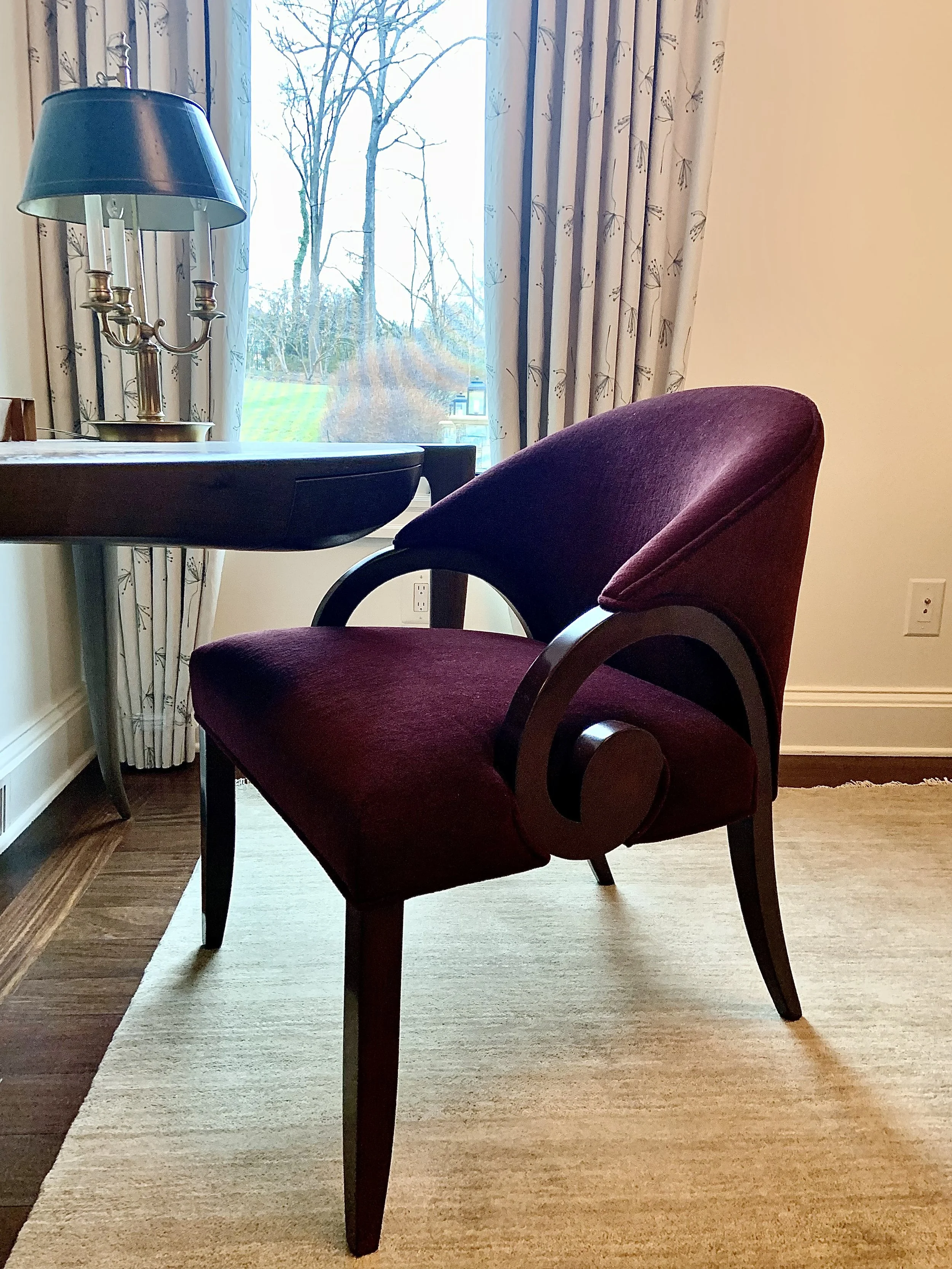
Artistic Frame’s “Chetham Armchair.” Upholstered in an alpaca velvet mohair “pinot noir” wool fabric blend by Mokum.
Summary
Wool textiles, with their high-performance qualities, have been in use for clothing and interior design for thousands of years.
Wool comes in a wide variety of colors, textures, and lengths, and primarily from more than 200 distinct breeds of sheep.
Different wool fabric types from the most luxurious, soft fibers to those with rougher textures are outlined as well as popular weaves such as bouclé.
The wool textile industry is now global, with Australia and New Zealand as the largest producers of raw wool fleece, and China as the world's largest processor and consumer of wool.
Wool’s benefits are many, from air purifying to fire resistance, elasticity, durability, and temperature regulation.
Wool has moved from a precious item for few to a staple in interior design, with more recent examples such as the Mid-Century Modern movement representing a key moment for wool’s incorporation into design.
Examples of how Casa Millie uses wool in interior design are also shared.
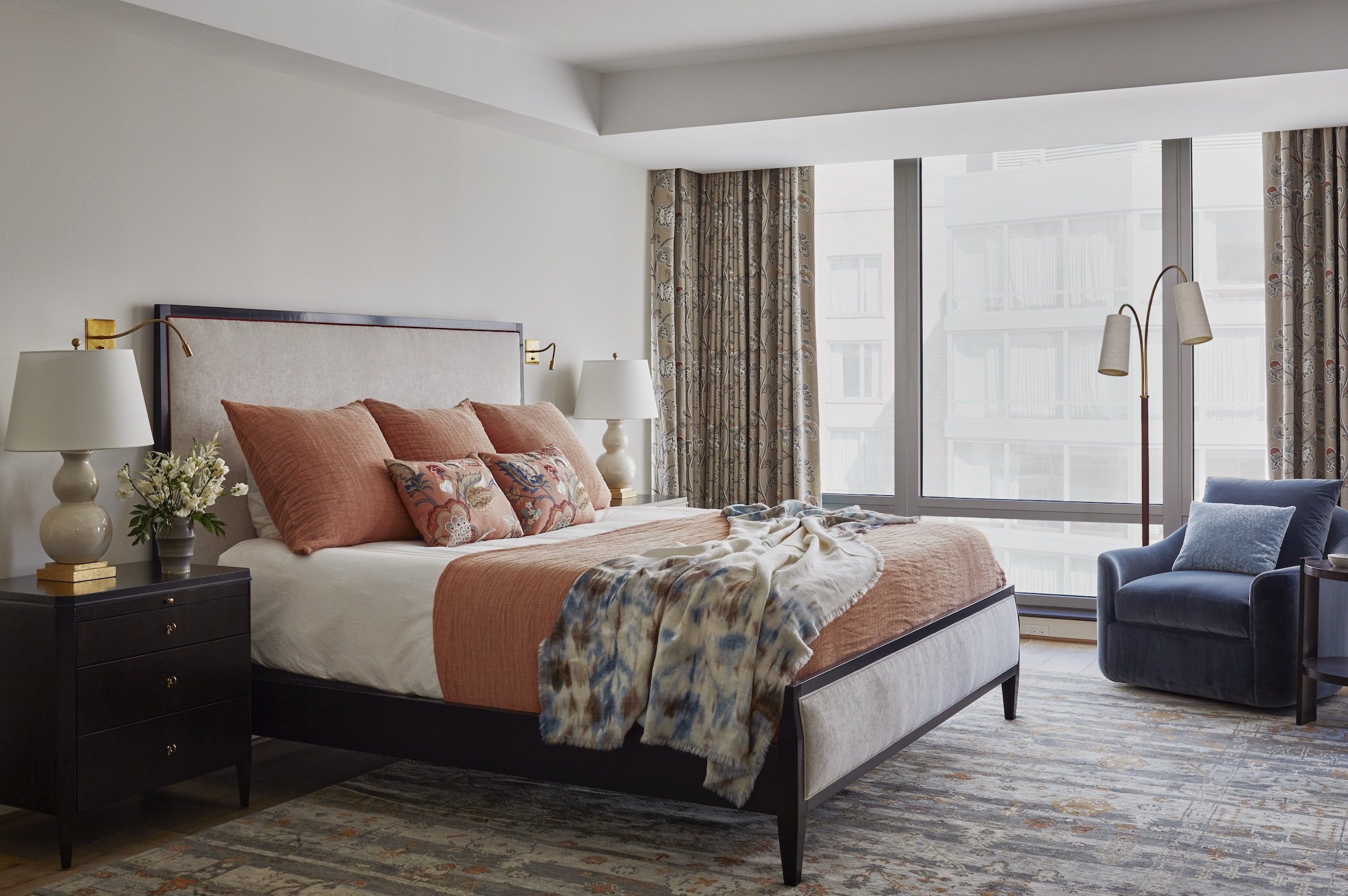
A soft, hand-knotted wool rug is perfect in a bedroom.
Photo credit: East and Lane
Wool textiles - diverse and global - have been around for thousands of years. In design, wool is a quiet staple, with a rich history and laundry list of benefits. I love using it in my Casa Millie design projects and thought as we head into the winter months and our search for cozy items that warm the soul and our homes, it’s the perfect time to talk wool!
I also was inspired and my curiosity was piqued after a recent visit to Holland & Sherry at the Washington Design Center where representatives serendipitously invited team Casa Millie into an employee training about their wool fabrics.
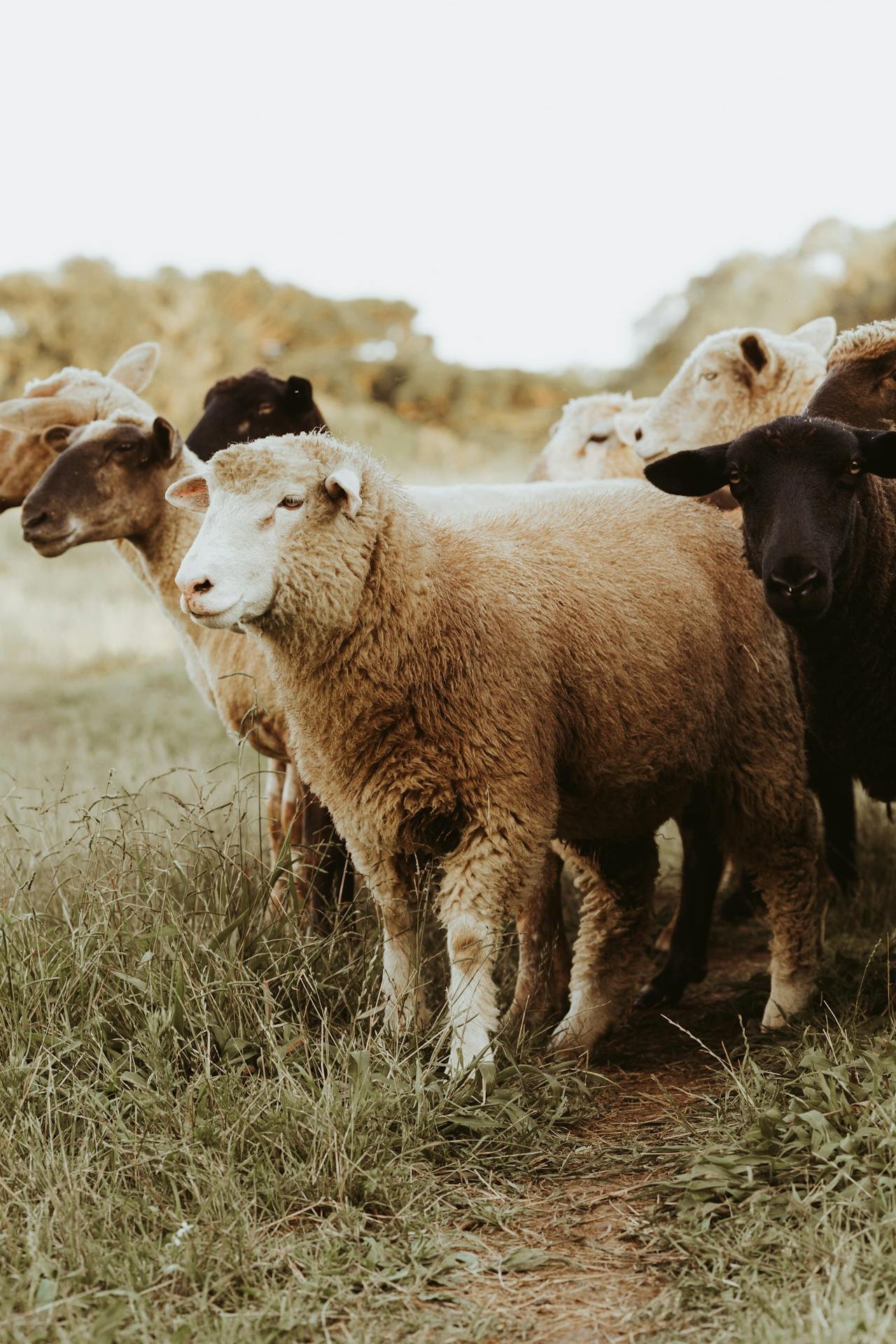
Photo credit: Jonathan Borba for Pexels
What is Wool?
Wool is a natural fiber that’s a go-to for the many interior designers who appreciate its benefits, including versatility, natural beauty and durability.
Sheep are the world’s main source of wool. But, to the surprise of many (especially those working outside of design), it's also possible to get wool from other sources such as goats, alpacas, and even rabbits.
Wool comes from a whopping 200+ distinct breeds of sheep, whose fleece occurs naturally in a wide range of colors, textures and lengths. This diversity ties back to sheep’s remarkable ability to adapt to a variety of climates and environments around the world, from the hottest, driest areas of Australia to the far reaches of the Himalayas in India and the lush Cotswolds in England.
Thanks to the global expansion of wool, the design world benefits from a long list of wool fabrics. This ranges from the exquisite and even finer than cashmere Vicuna wool from South America (sourced from wild camelids, a relative of the alpaca), to the more affordable but still quite soft and high-quality Merino wool used in knitwear, and of course plush Mohair which is often used in sweaters, luxurious upholstery and intricate drapery. The finer the diameter of the wool fiber, the softer the feel, AND it pokes you less (which comes immediately to mind when I think of any past itchy wool sweater experiences!)
If you’re especially interested in more specifics in terms of types of wool fabric, here is a helpful list:

Image Credit: Treasurie.com
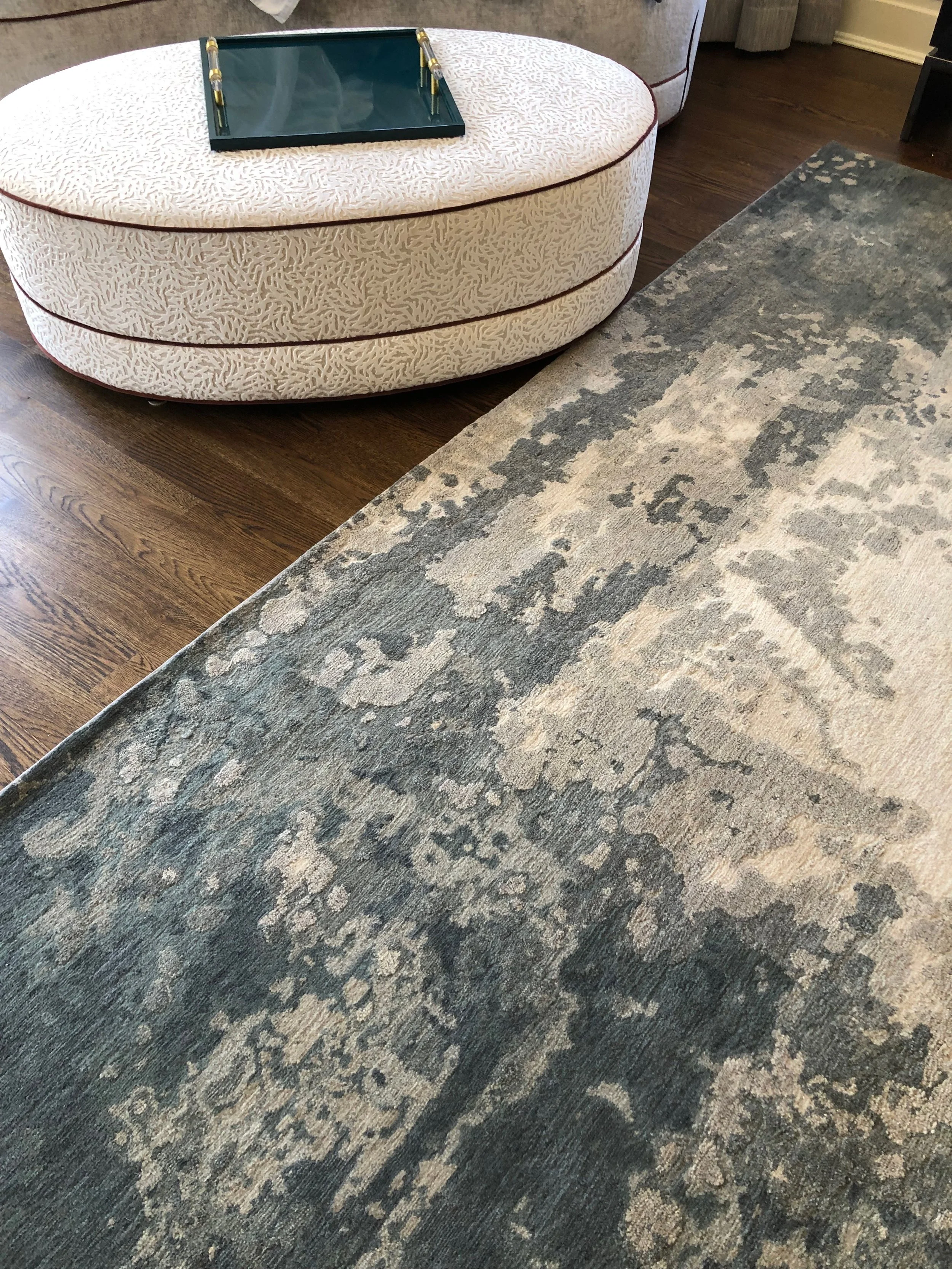
Image of a hand-knotted Julie Dasher wool rug in our client’s bedroom in Mclean, Virginia.
Choosing thoughtful materials for interior design and furnishings is essential, and wool-based products such as carpets, textiles, insulation, bedding, acoustic surfaces, lighting and air filters present excellent solutions for the health-conscious.
- International Wool Textile Organization
Wool’s Incredible List of Benefits
When I choose to use wool in a design project, in addition to its beauty and fit, I’m using it for up to a dozen or more reasons that may surprise you! To name just a few, wool is:
Air purifying. Wool filters air, dust, chemicals like formaldehyde, gas, and odors, thereby improving air quality. Wool carpets, for example, have been proven by scientists to clean indoor air.
Durable and elastic. Wool naturally resists dirt and stains and is highly resilient. It bounces back, unlike most other materials, especially many synthetic fibers.
A fire retardant. It’s naturally difficult to ignite (because it’s made of keratin, just like our nails and hair) and considered to be the most flame-resistant natural fiber.
Temperature regulating. Wool fibers wick moisture which helps to make them quite breathable and comfortable year round. Wool isn’t just for winter and (as we learned during our Holland & Sherry training) many militaries around the world use wool for their formal uniforms because of this temperature-regulating ability.
Biodegradable. Wool is natural and biodegrades easily in landfills
Recyclable. Despite representing just 1% of the global textile market, wool represents 5% of the total volume of clothing donated by consumers for recycling and re-use.
Empowering. Many wool industry players are small businesses in economically challenged areas. Their local community and families benefit from their inclusion in wool production and sales.
To learn more about wool’s benefits check out “Wool Notes” from The International Wool Textile Organization.
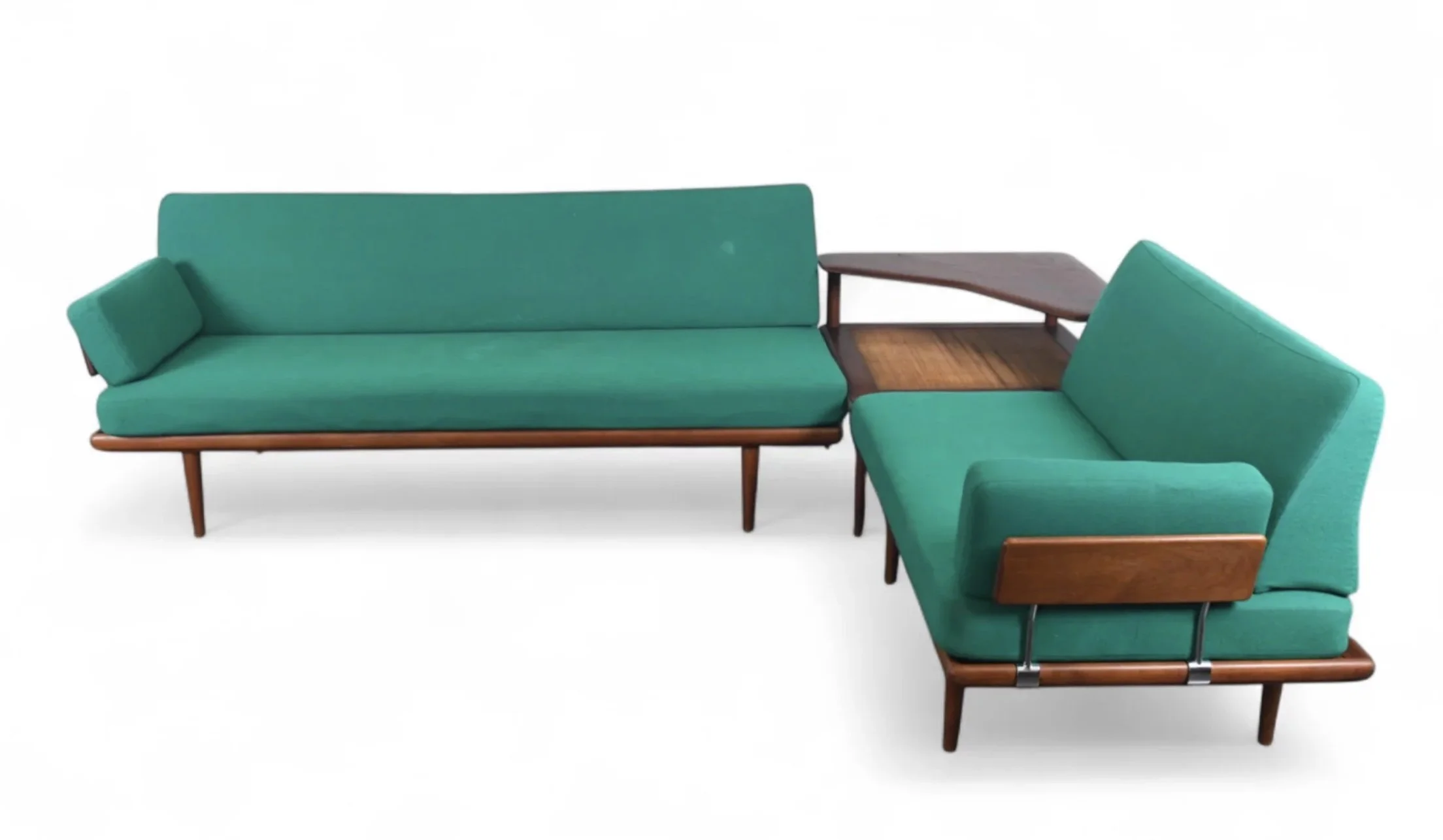
Peter Hvidt “Minerva” three-piece Mid-Century Modern sectional sofa in wool and teak.
Photo credit: Mid Century Møble
Wool Weaves Used in Interior Design
While wool has been valued for thousands of years in clothing and designs such as rich Persian and Oriental rugs, much more recently, during the Mid-Century Modern (MCM) period (around the 1940s to 1960s) its broader accessibility to the masses and popularity in the design world soared. Post-World War II, the MCM period prized functionality as well as natural materials. Wool’s durability and resilience, structured weaves and lighter maintenance were efficient, simple and aligned perfectly with this aesthetic.
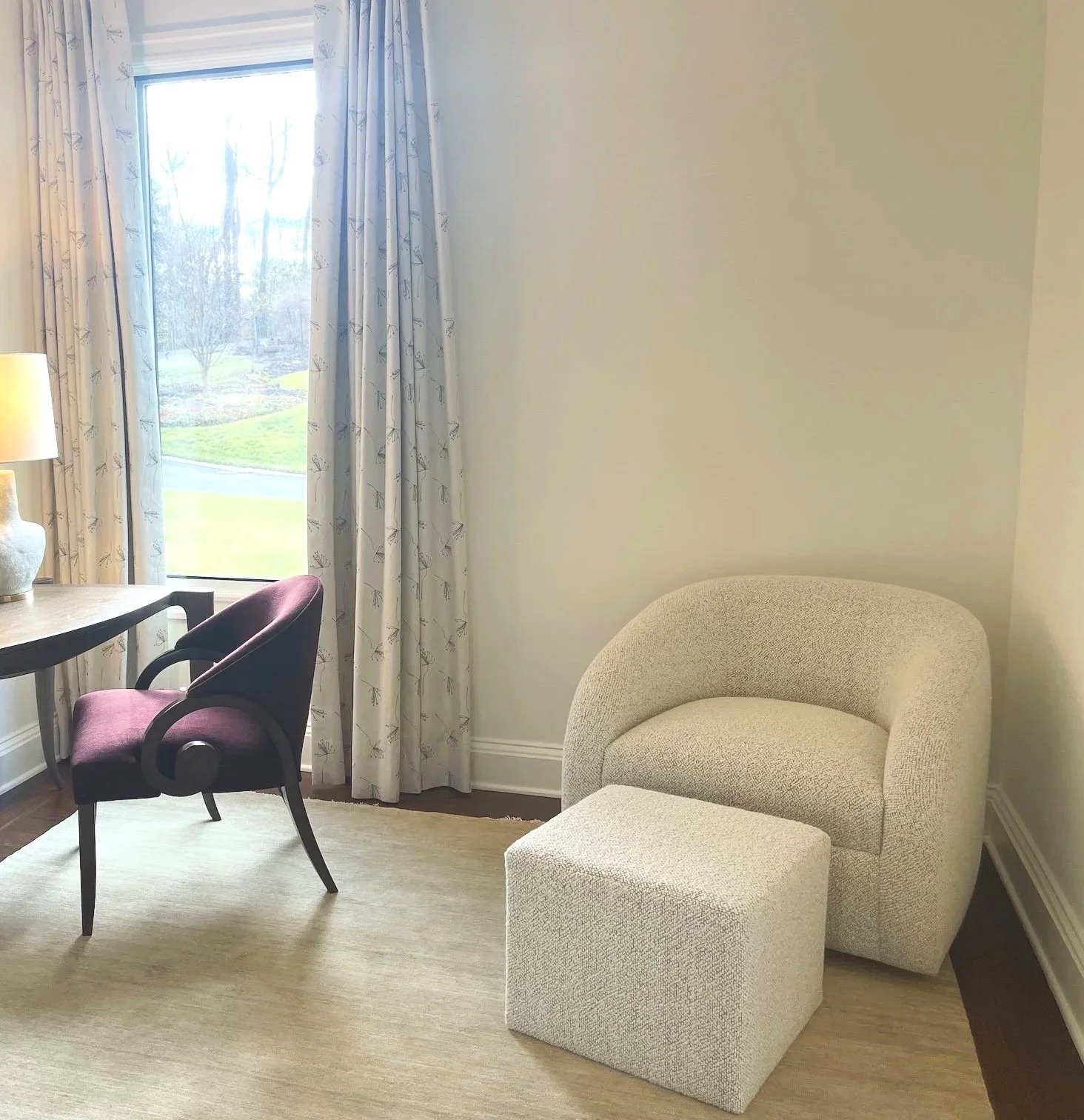
A bouclé-wrapped chair and ottoman tucked into a quiet corner.
Today, in modern design, wool’s versatility and benefits are even more evident with the mountain of weaves and textures now available to designers. To break it down simply for you, the modern design focus is primarily on:
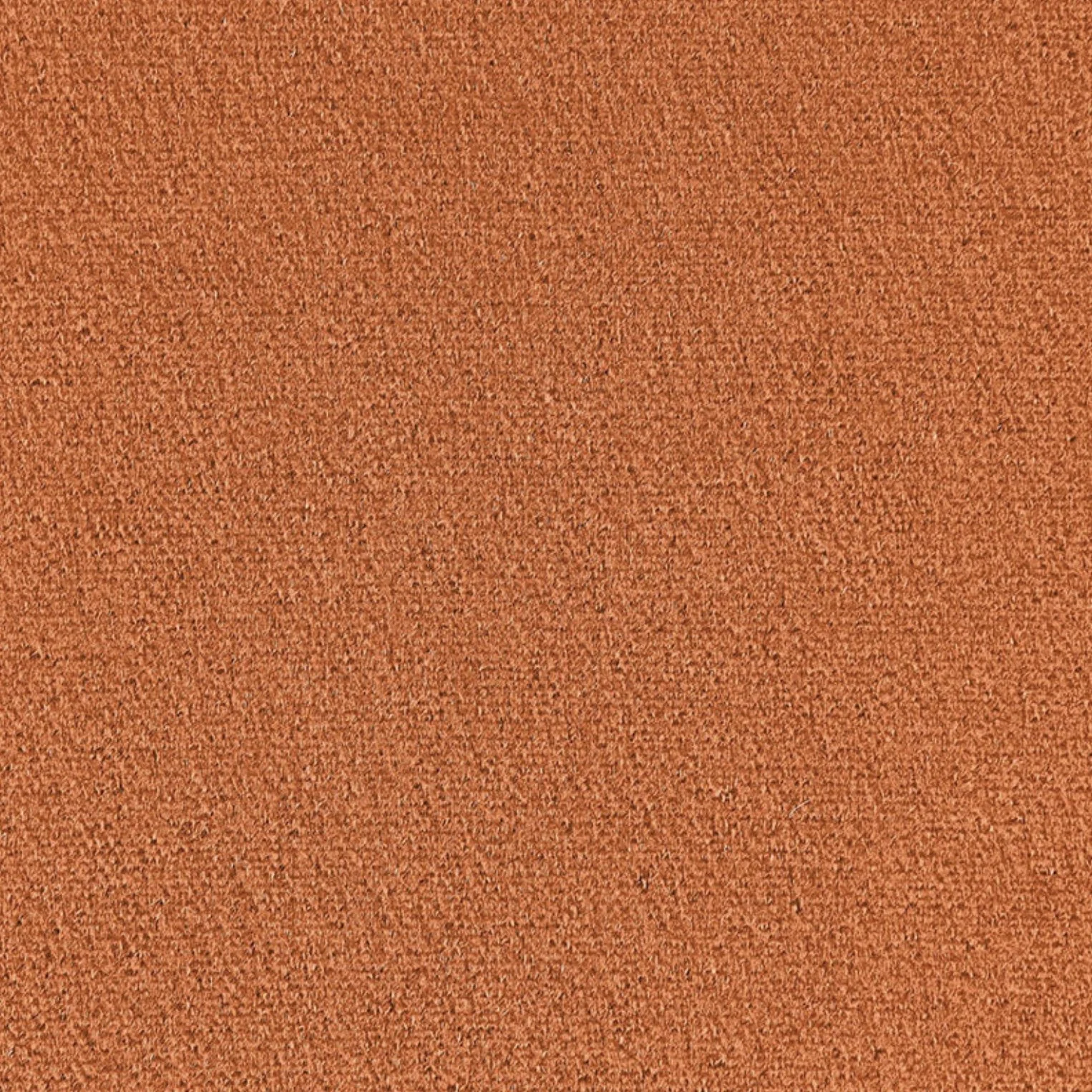
Schumacher’s “Palermo” velvet mohair in “butterscotch” color.
Photo credit: fschumacher.eu
Texture & Trend
Highly textural weaves like bouclé (characterized by its small, tight loops) are current staples for adding dimension to seating. For a luxurious finish, weaves like Mohair velvet are used by designers to add luster and rich color and are also quite popular.
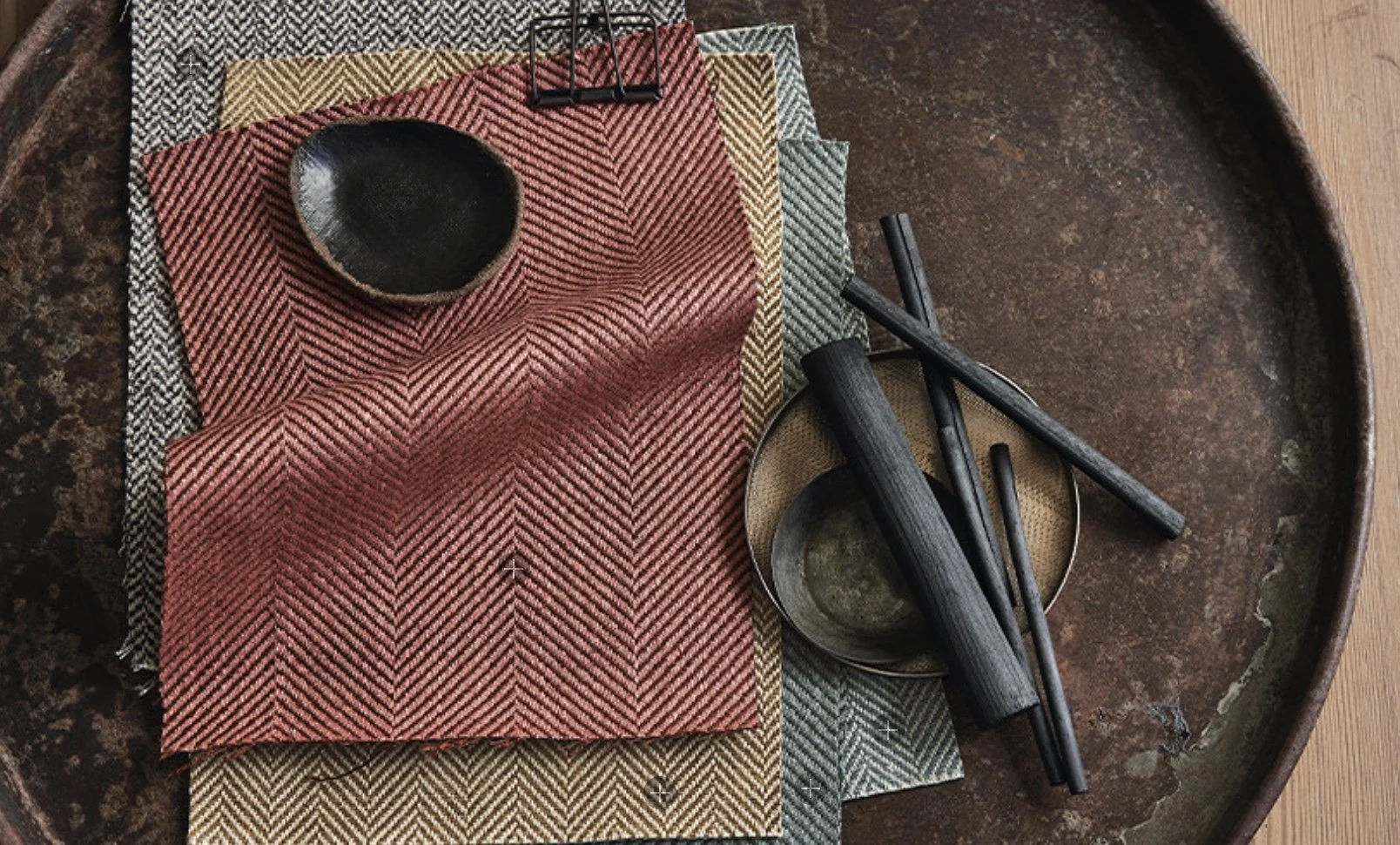
Structure & Tradition
Classic twill patterns like nubby, multi-tonal tweed and sleek herringbone are chosen for their tailored, resilient structure and add a classic feel as well as dimension and interest to sofas, chairs (including the backs of chairs!) and throws.
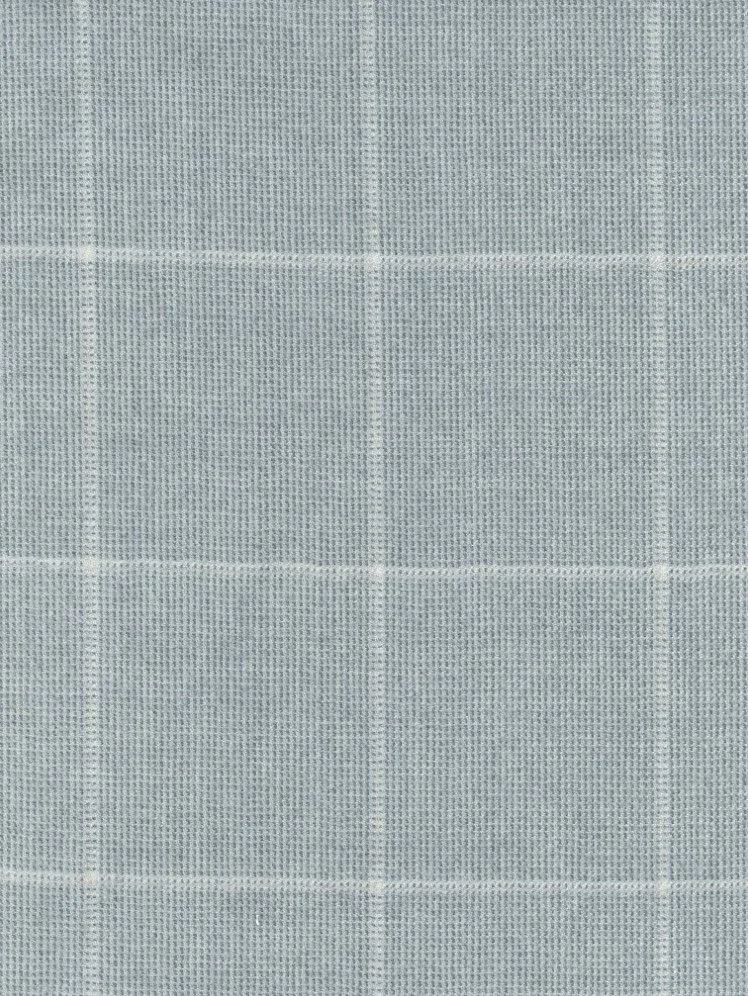
Holland & Sherry wool flannel “Barclay” windowpane in “celeste” color.
Photo credit: hollandandsherry.com
Modern Utility
Felt, which is non-woven pressed wool (often used for its acoustic properties), and soft flannels which are tightly woven and heavily brushed for a smooth, matte finish, are also used in our projects, often for accessories like pillows.

Me enjoying a still moment in a beautiful Artistic Frame chair upholstered in Holland & Sherry wool.
How I Use Wool in Design Projects
For me, with wool it’s all about upholstery and accents. For example, a beautiful wool throw or pillow can be a very affordable, simple way to add striking warmth and depth to a room.
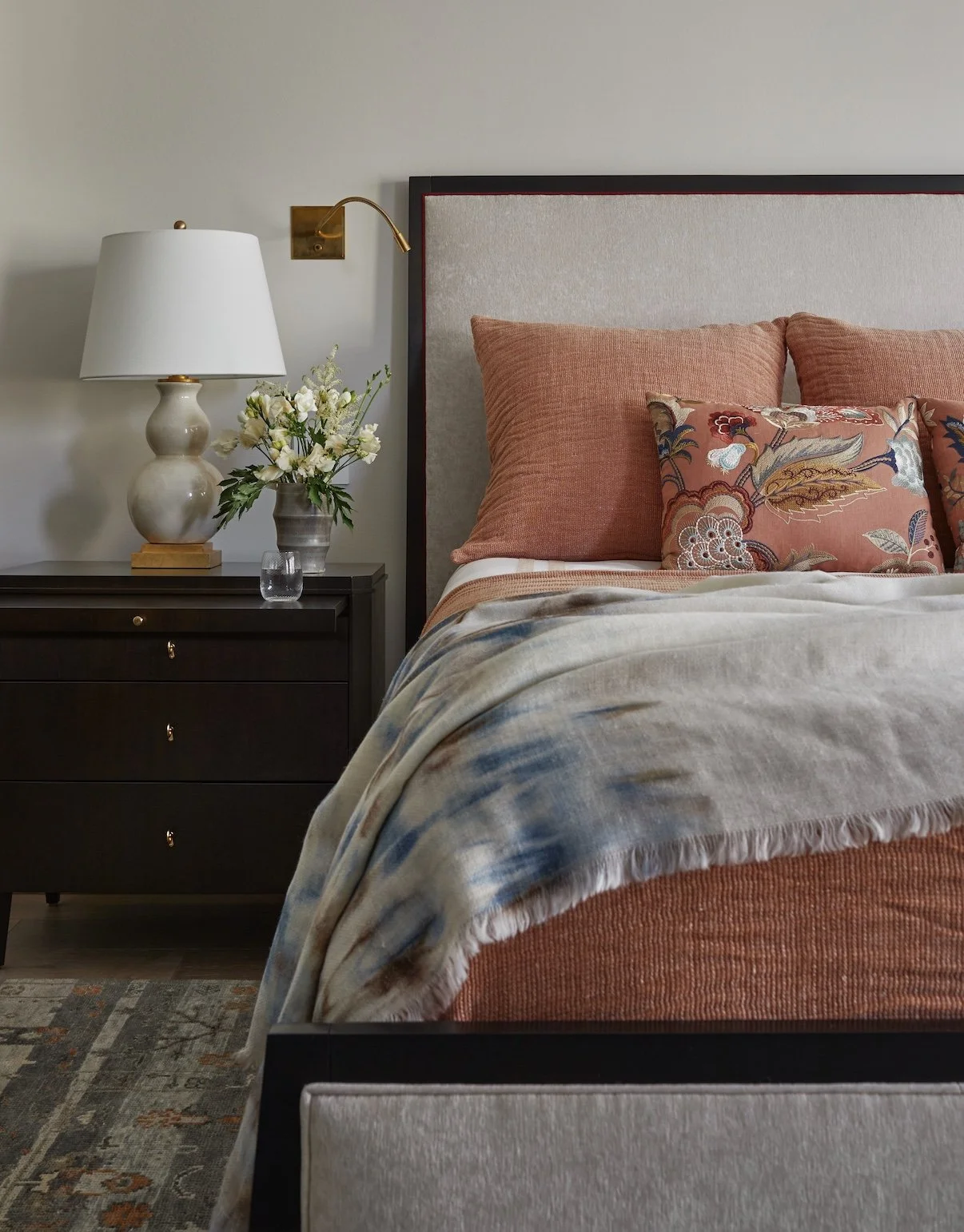
Rosemary Hallgarten “watercolor throw” in alpaca/linen.
Photo credit: East and Lane
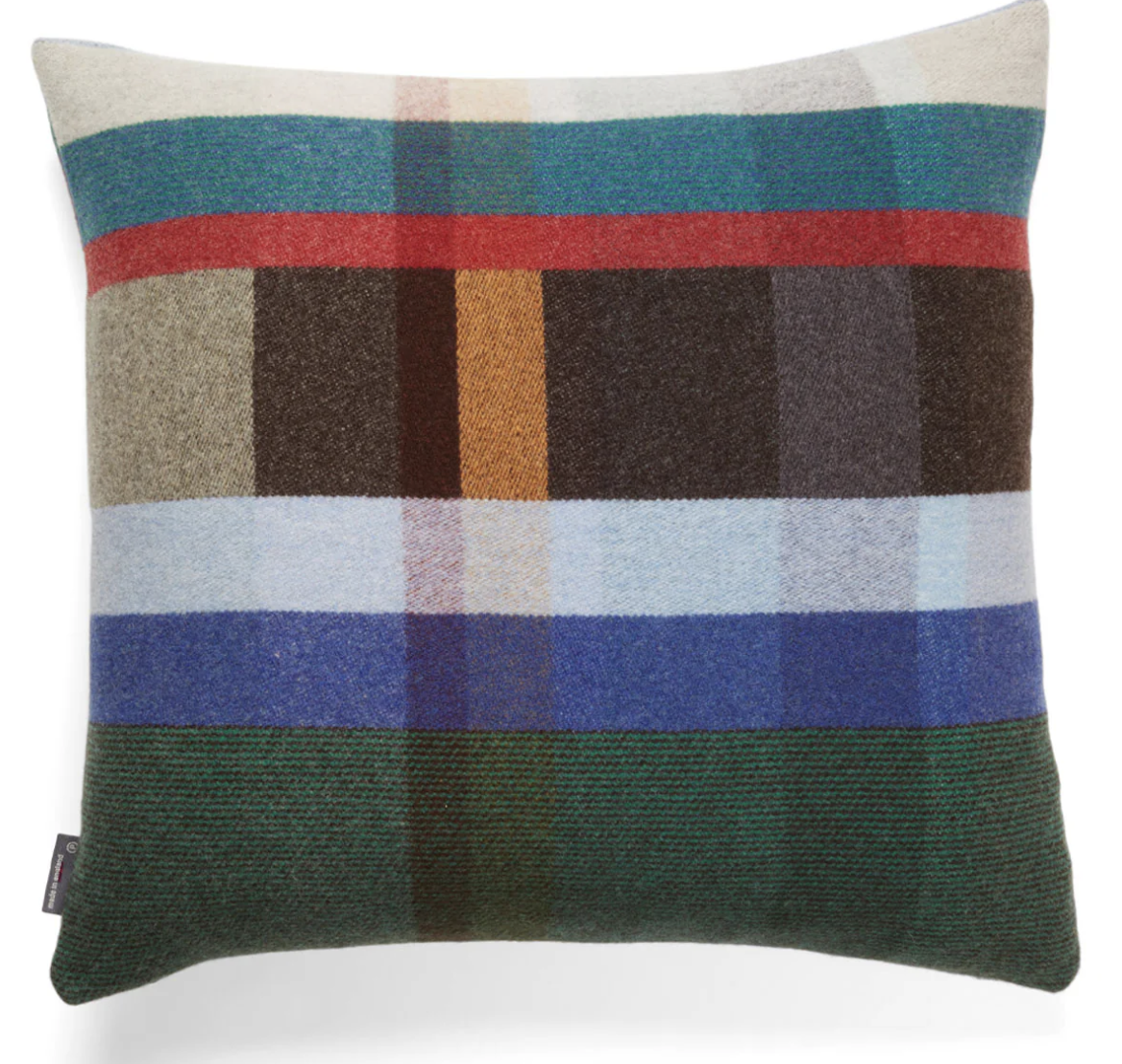
Wallace Sewell’s “Antoni” lambskin block pillow.
Photo credit: Lostine.com
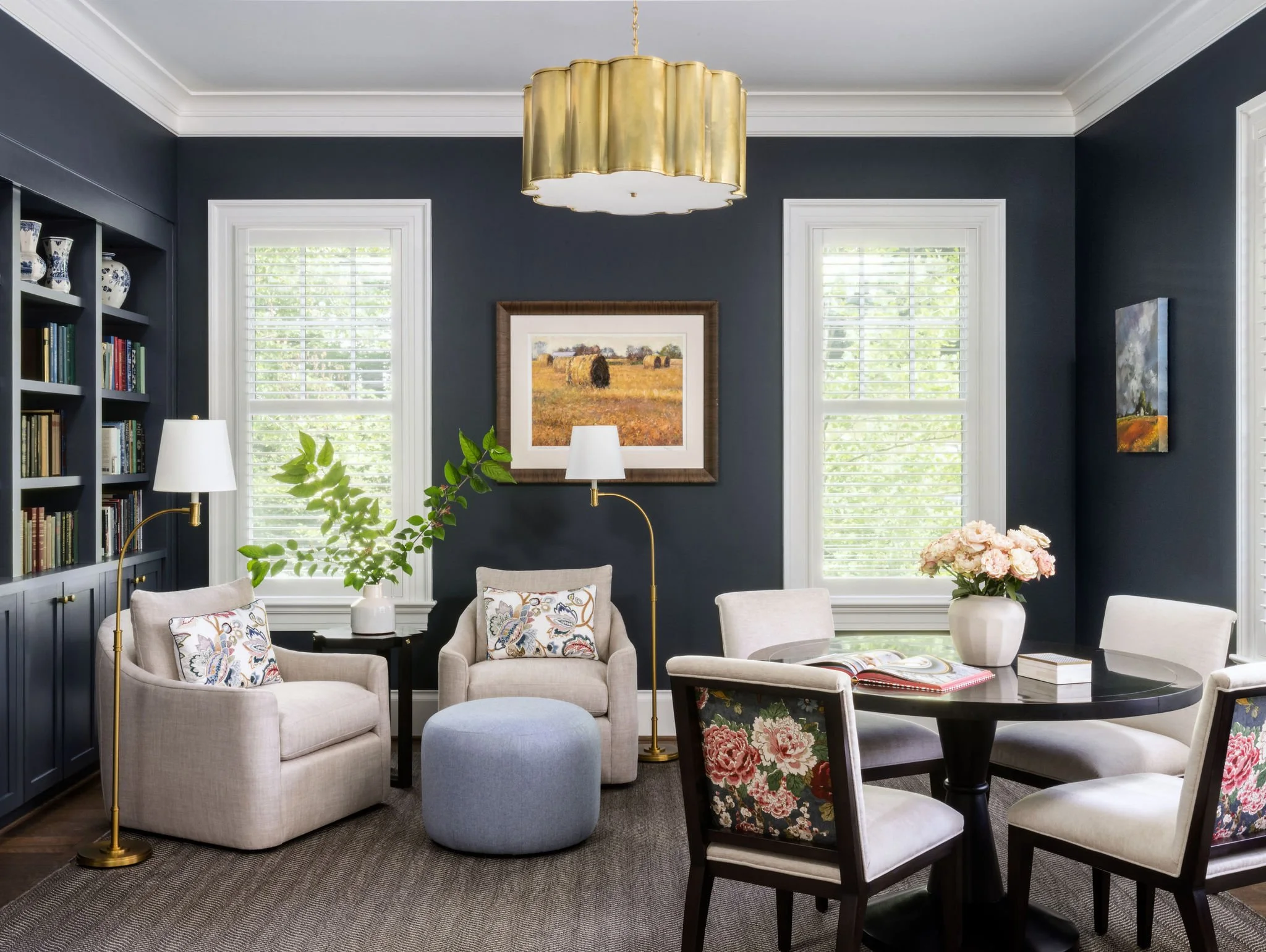
Hickory Chair’s ottoman in Jane Churchill sky blue “Theo” wool-blend fabric.
Photo credit: Robert Radifera for Stylish Productions
People also want durability. I always feel safe giving people wool products because it will stand the test of time against every cheese stick and grape juice and red wine spill thrown in its path.

Patterson Flynn hand-knotted wool and silk blend “Rexary” carpet in "multi" color.
Photo credit: pattersonflynn.com
Wool rugs are also great. While rugs in nylon or polyester suffer under pressure (specifically getting matted with long-term use under heavy furniture or traffic, for example) wool rugs have longevity and an heirloom quality that allow them to quite literally stand up to the test of time with their durability and elasticity.
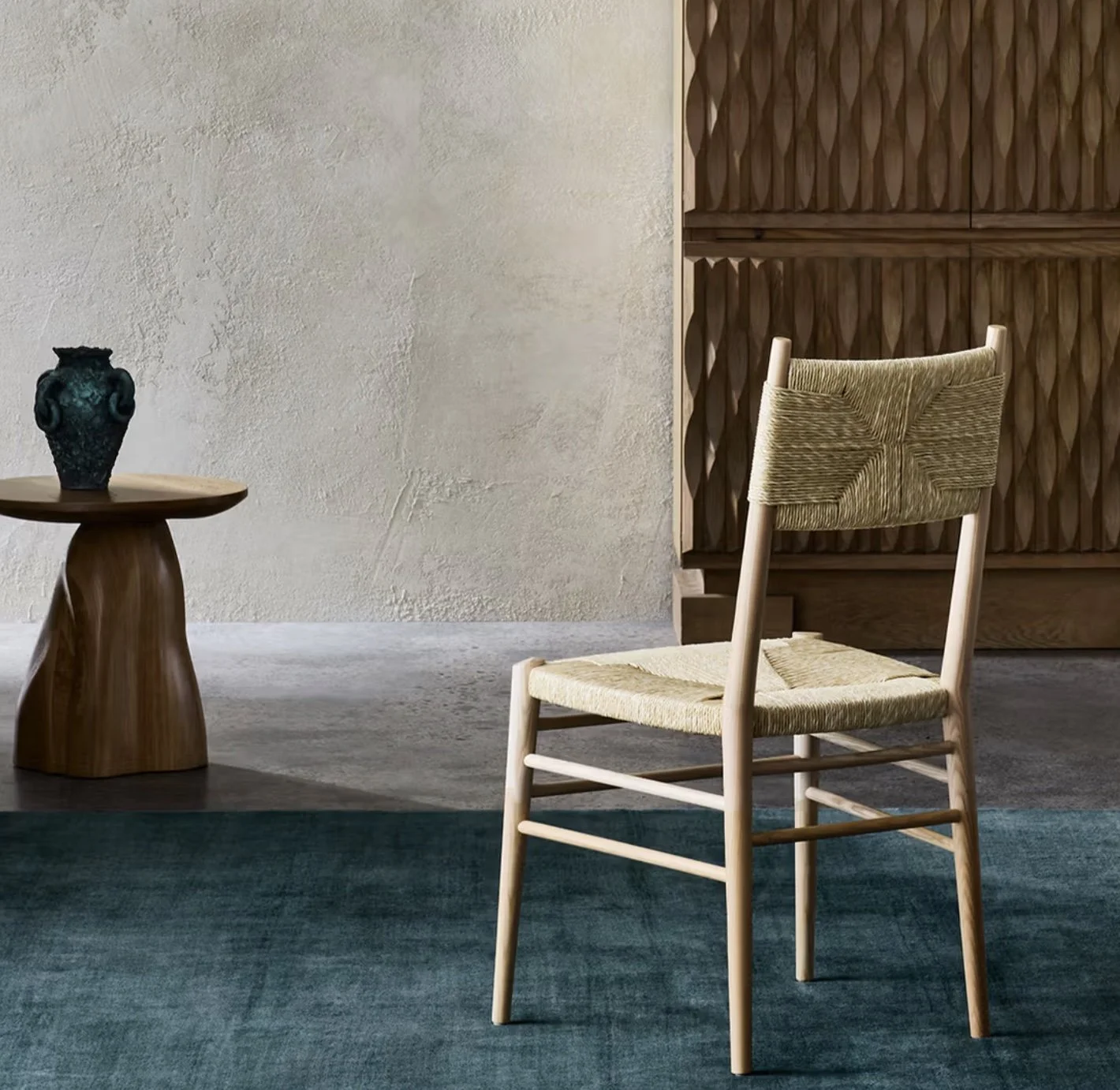
Armadillo “Agra” 100% wool rug in “kingfisher” color.
Photo credit: armadillo-co.com
You can also get really vibrant colors with wool, but not as much as synthetics. However, synthetics like rugs can lose their luster over time because of use and foot traffic. Wool better preserves the color because of the keratin. So there is a trade-off that I think is worth considering.
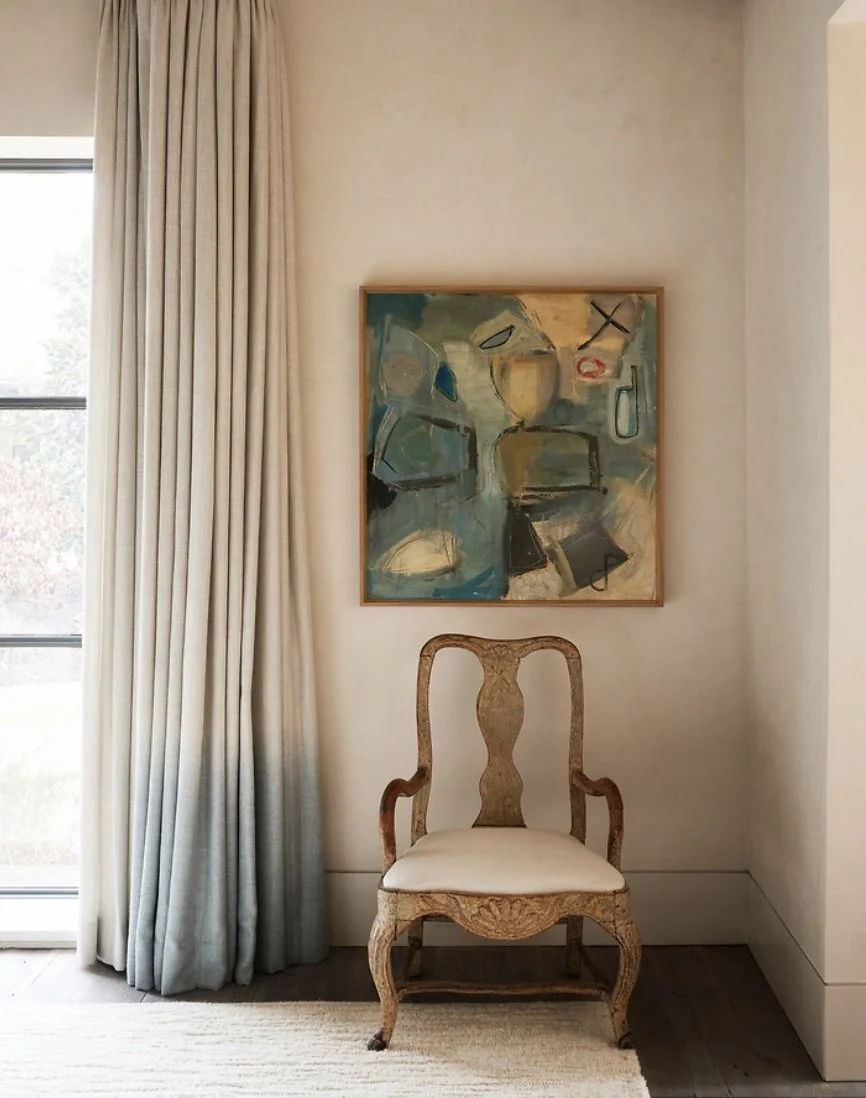
Ombre “Breakers”-colored Alpaca Linen color-blocked drapery designed by Alyce Taylor for Rosemary Hallgarten
Photo credit: RosemaryHallgarten.com
Wool is also a great material for curtains, with its gentle draping and ability to help regulate temperature and control strong bursts of sunlight coming through your windows.
Curious now about all of the opportunities wool has to offer? We can help you to discover and weave it into your design projects. We are only a phone call away and look forward to hearing from you!
Until next time!